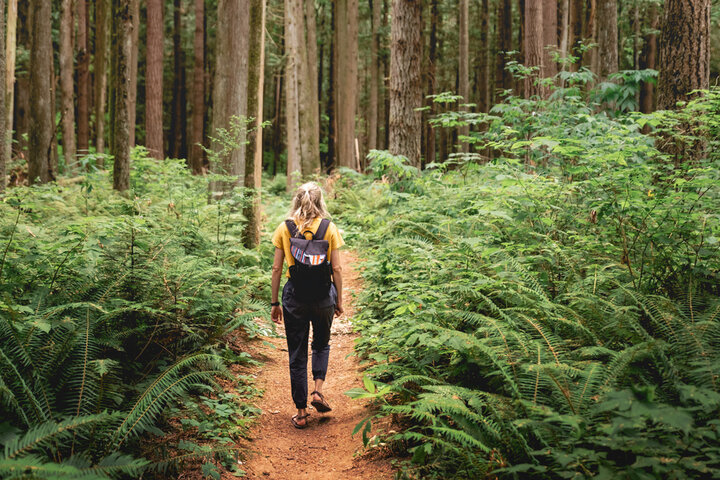
Exercising regularly has multiple health benefits—but studies show that exercising outdoors is great for your health. The combination of natural sunlight, fresh air, and physical activity has been shown to support multiple bodily functions.
1. Increases Immune System Function
Simply being outside for the duration of a workout ensures that your body is producing additional vitamin D, thanks to the natural sunlight. This vitamin is key to supporting and maintaining a healthy immune system.
What’s more, if you’re around plants during your exercise session, you may be exposed to healthy compounds known as phytoncides, which are released into the air and can help further boost your immune system function.
2. Ups the Workout Challenge
Depending on the location and type of terrain, your body may be getting a more challenging workout outside. In areas with hills, trails, or uneven ground, your resistance and intensity levels are likely to increase compared to exercise equipment and solid flooring indoors.
For example, exercising on sand expends more energy than working out on firm surfaces—increasing heart rate and oxygen uptake while still being easy on the joints.
3. Promotes Greater Calorie Burn
One benefit of exercising is burning calories—and you may be burning even more if you exercise outdoors. In addition to the challenges of hills and uneven surfaces, the body must also adjust to the outdoor temperature, which results in increased energy expenditure.
Plus, outdoor workouts can feel more invigorating and intense due to the open space, fresh air, and sunlight—and the more stimulated your body is, the more calories you may end up burning.
4. Reduces Anxiety and Depression Symptoms
Data shows that exercising is beneficial for mental health.6 But green exercise (working out outside) may be even more beneficial, particularly for symptoms of anxiety and depression in some people.
Some studies have shown that exercising outside compared to indoors resulted in improved mental health. Researchers theorize that natural sunlight boosts the body’s serotonin levels, a chemical that helps maintain mental health balance and supports mood.
5. Improves Sleep
Being outside—and getting exposure to natural light—helps regulate your body’s internal clock (or circadian rhythm) which can result in better sleep.
Exercising outdoors may enhance your sleep patterns even more—especially if you work out in the morning. The combination of sunlight early in the day while moving your body may contribute to better snooze sessions overall.
6. Enhances Mood
Exercising outdoors can increase dopamine, serotonin, and other natural endorphin levels that promote a positive mood.
Research shows that new experiences—like stepping outside and encountering a new environment while working out—trigger the brain’s reward system. This, in turn, can elevate the release of those “happy” chemicals in the brain and improve your mood.
7. Supports Self Esteem
You may notice a self-esteem boost after exercising outdoors for as little as five minutes. Older research suggests that short intervals of green exercise—particularly low- or moderate-intensity—resulted in self-esteem improvements. What’s more, people who performed physical activity outside near the water reported even greater benefits.
8. Boosts Cognitive Performance
Exercise in general supports cognitive health—but some research has shown that exercising outdoors or in nature may improve cognitive performance even more. For example, one study found that taking a brief walk outside increased cognitive function more than taking a short walk inside.
Tips for Exercising Outdoors
If you’re ready to start taking your exercise routine outside, experts recommend keeping the following tips in mind.
- Protect yourself from ultraviolet (UV) rays by applying sunscreen to exposed skin before heading outside and wearing a hat and sunglasses if needed.
- Wear weather-appropriate clothing that allows for air circulation and moisture evaporation, like using layers with a light jacket that’s easy to remove if it gets too warm.
- Choose athletic shoes that provide proper footing and grip in outdoor landscapes.
- Stay hydrated by drinking plenty of fluids before, during, and after your workout—but avoid caffeine and alcohol.
- Aim to exercise outdoors during daylight hours, if possible, and stay alert to your surroundings for safety.
There are also ways to incorporate more nature and sunlight into your workout and daily routine, even if you can’t go outside. Here’s what you might consider trying:
- Keep curtains or blinds in your home open (or partially open) during the daytime and while exercising.
- Take advantage of big windows and roll out your exercise mat nearby.
- Consult a healthcare provider about artificial light therapy—such as sun lamps or light therapy—to determine if it’s right for you.
Original Source: https://verywellhealth.com/outdoor-exercise-benefits-11757501